-
Assessment of agricultural plastics and their sustainability. A call for action
Agricultural plastic products are mostly single use and can persist in the environment long after their intended use, threatening food safety and potentially human health. A new FAO report provides irrefutable evidence to support action towards the better management of plastics in agrifood systems.
Read more about "Assessment of agricultural plastics and their sustainability. A call for action"
-
The Critical Role of Commercial Analytical Reference Standards in the Control of Chemical Risks
As more new chemicals occur in the environment there is a growing need for reference standards to be able to assess toxicity, set limits and develop policies.
Read more about "The Critical Role of Commercial Analytical Reference Standards in the Control of Chemical Risks"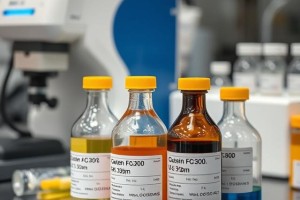
-
Impacts and mechanisms of biochar on soil microorganisms
Biochar is well known for its positive effect on treating polluted soils, but on the other hand a negative impact on biota in the soil can be observed also.
Read more about "Impacts and mechanisms of biochar on soil microorganisms"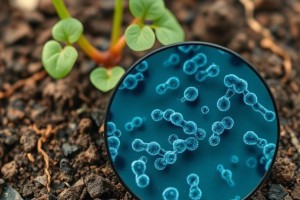
-
Release of poly- and perfluoroalkyl substances from AFFF-impacted soils: Effects of water saturation in vadose zone soils
The study takes a closer look at leaching and retention of PFAS from contaminated soils collected in the field and tested under different rainfall conditions.
Read more about "Release of poly- and perfluoroalkyl substances from AFFF-impacted soils: Effects of water saturation in vadose zone soils"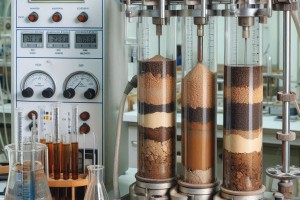
-
Biodegradation of polypropylene microplastics by Bacillus pasteurii isolated from a gold mine tailing
Research shows that bacteria can aid in the biodegradation of microplastics in soils and that the result can be boosted with microbially induced calcium carbonate precipitation.
Read more about "Biodegradation of polypropylene microplastics by Bacillus pasteurii isolated from a gold mine tailing"
-
Pesticides residues in European agricultural soils - Results from LUCAS 2018 soil module
Study led by the EU Soil Observatory establishes an initial EU baseline and project a future assessment of the effectiveness of EU policies and regulations targeting pesticides use and soil pollution.
Read more about "Pesticides residues in European agricultural soils - Results from LUCAS 2018 soil module"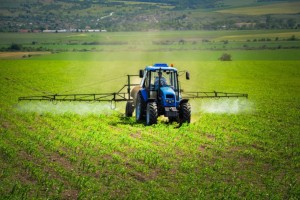
-
Prediction of perfluoroalkyl acids (PFAAs) in homegrown eggs
Homegrown eggs from free-ranging laying hens often contain elevated concentrations of perfluoroalkyl acids (PFAAs). A recent study from the University of Antwerp (Flanders, Belgium) provides insights into how (a)biotic factors affect the bioavailability to eggs.
Read more about "Prediction of perfluoroalkyl acids (PFAAs) in homegrown eggs"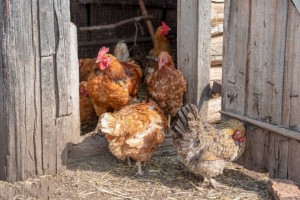
-
NORMAN guidance on suspect and non-target screening in environmental monitoring
The NORMAN network provides guidance on performing high quality non-target screening (NTS) studies and data interpretation while increasing awareness of the promise but also pitfalls and challenges associated with these techniques.
Read more about "NORMAN guidance on suspect and non-target screening in environmental monitoring"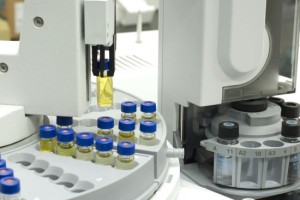
-
Toxic pressure of chemical pollutants in vulnerable areas
The production and use of chemicals can lead to the release of toxic compounds. If these end up in water or soil, they can harm the environment. The more chemicals enter the environment, the greater the so-called toxic pressure.
Read more about "Toxic pressure of chemical pollutants in vulnerable areas"
-
New measurement technique shows volatile PFAS are omnipresent in indoor environments
Quantifying PFAS that are prevalent indoors and estimating their exposure risk to humans are important as people tend to spend 90% of their time indoor. To accurately measure these compounds indoors, polyethylene (PE) sheets were employed and validated as passive detection tools and analyzed by gas chromatography–mass spectrometry.
Read more about "New measurement technique shows volatile PFAS are omnipresent in indoor environments"