PFAS and the pollution trap: contested knowledge in environmental justice struggles
PFAS contamination is not only an environmental and health issue, but also a challenge of environmental justice and access to reliable knowledge. Based on 25 documented PFAS conflicts worldwide, this study examines how scientific uncertainty, chemical persistence and information asymmetries shape affected communities. The authors describe how the largely invisible nature of PFAS contamination can delay recognition and regulatory action. The study highlights the importance of combining scientific evidence with the experiences and knowledge of exposed communities.
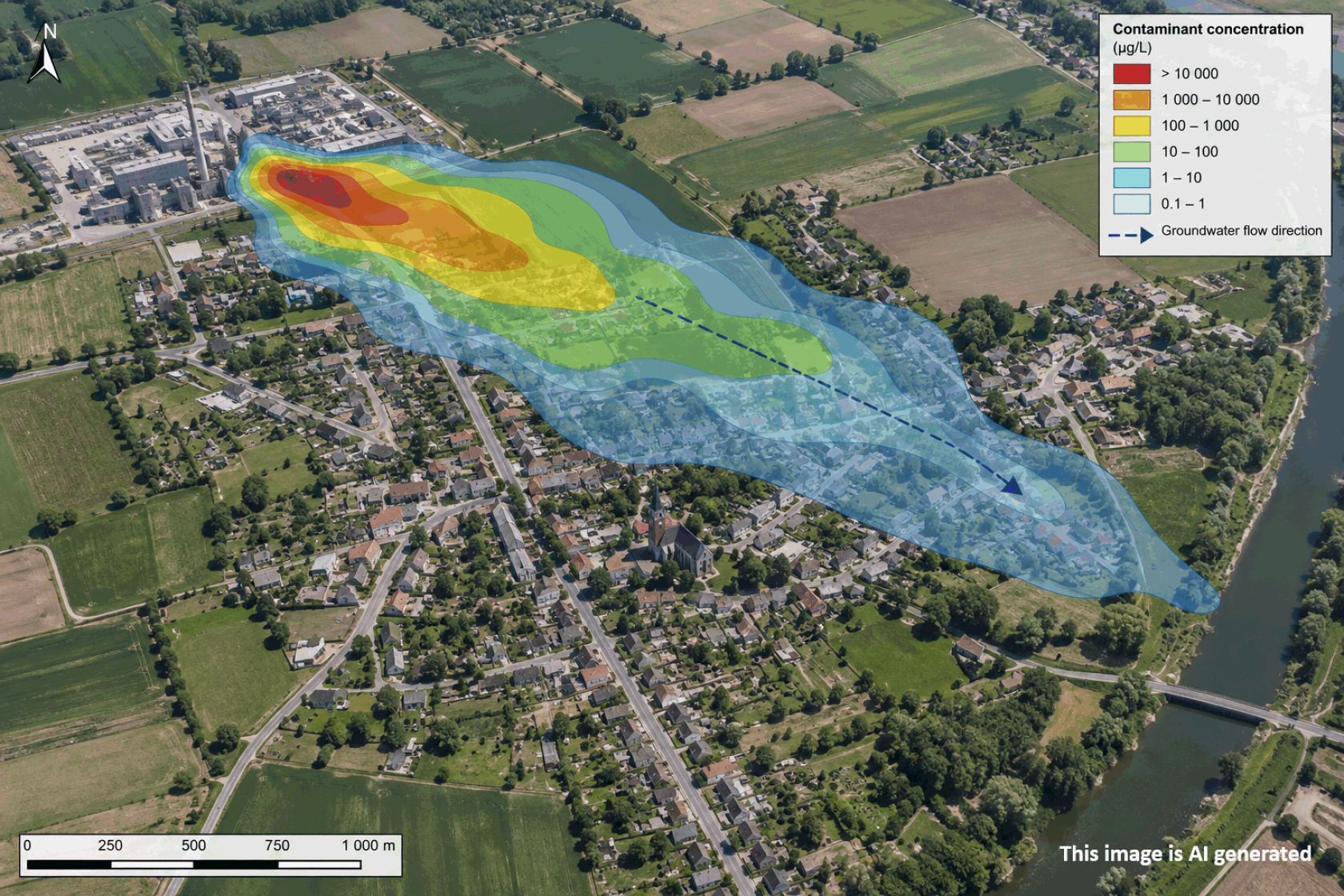
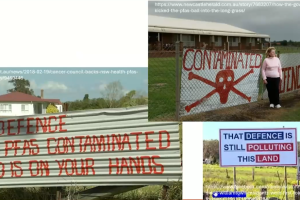
PFAS contamination is not only an environmental and health problem, but also an issue of environmental justice. Some communities are much more exposed to pollution than others and often have limited influence on decisions about investigation, regulation and remediation. Based on 25 PFAS contamination conflicts worldwide, the study examines how scientific knowledge, industry, authorities and affected communities interact when PFAS pollution is discovered.
PFAS contamination is presented as an example of post-normal science: a situation where scientific knowledge is still uncertain, but the potential consequences are serious, and decisions cannot simply wait for complete scientific proof. The authors argue that in such situations scientific measurements should be combined with information and experiences from local communities. Residents may observe environmental or health problems long before these are fully documented by scientific studies.
Another important issue is manufactured uncertainty. This occurs when uncertainties or gaps in scientific knowledge are emphasised to question the seriousness of pollution or postpone action. This is particularly relevant for PFAS because the contamination is invisible and usually requires specialised chemical analyses to detect. The resulting environmental and health impacts can develop gradually over many years, a process described as slow violence.
The authors introduce the concept of a “pollution trap.” PFAS can remain in the environment for decades, and contamination may already be widespread by the time it is discovered. Cleaning up the pollution can then be technically difficult and expensive, while affected residents may be unable or unwilling to leave their homes. Some highly contaminated areas can therefore become sacrifice zones, where local communities carry a disproportionate environmental and social burden.
The study concludes that waiting for complete scientific certainty can result in action being taken too late. Earlier investigation, better access to information, stronger regulation and greater involvement of affected communities can help prevent this. The authors also warn about toxic frontiers, where polluting industries and associated environmental risks may increasingly move towards regions with weaker environmental regulation and monitoring.
The full article is available here
Share this post!